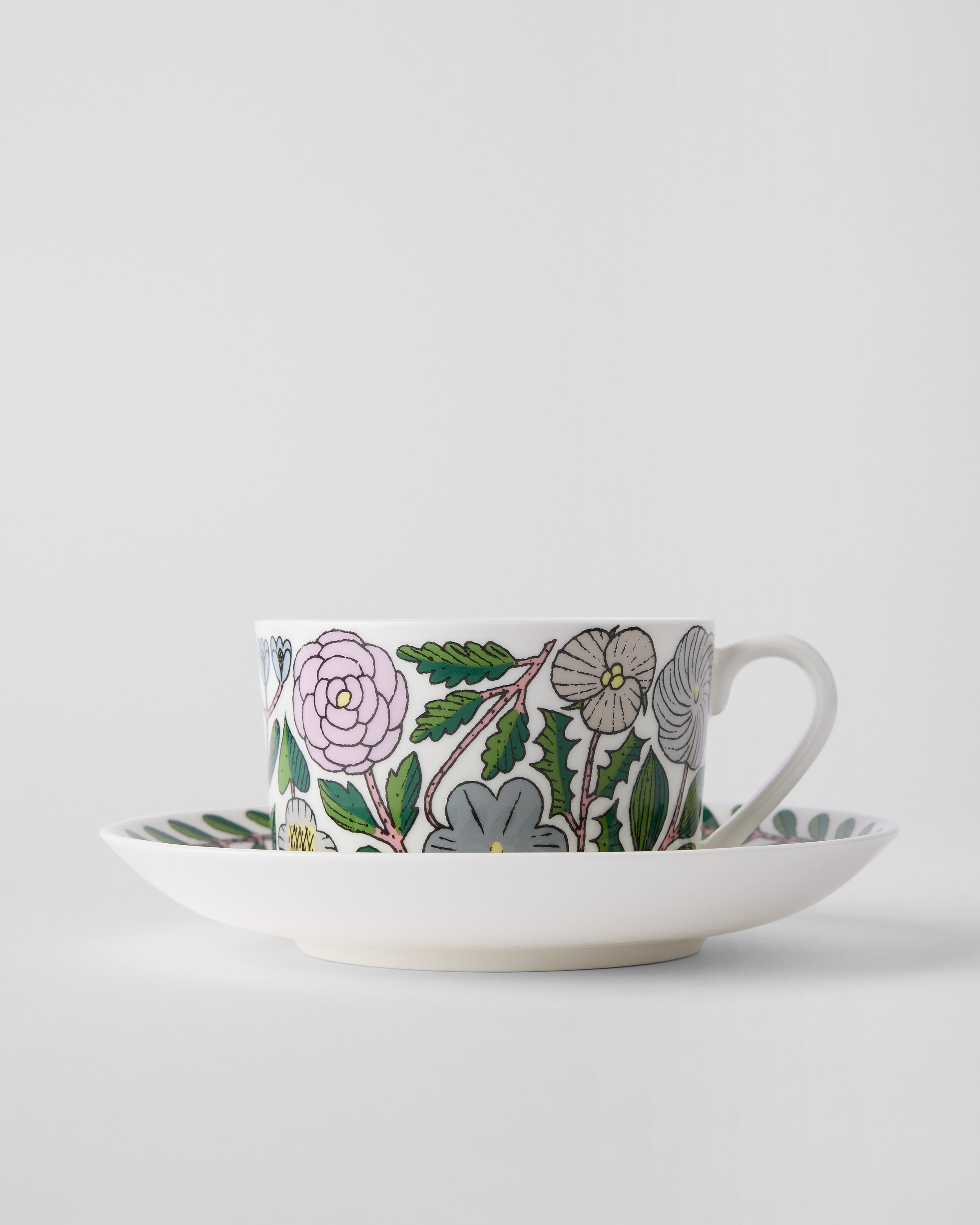
Welcome to Gustafsberg

Still made by hand. Still made in Sweden.

Over 200 years of craftsmanship. Still made by hand. Still made in Sweden. For those who do not compromise on quality, Gustafsberg is the obvious choice.

Explore our bestsellers
Since 1825

Since 1825, Gustafsberg has been manufacturing porcelain in Sweden.

With one of the world's few remaining bone chinas still produced in its original home country, the company unites craftsmanship, material quality, and contemporary design. Their proprietary recipe for 100% bone china gives the products their characteristic whiteness, transparency, and durability. The result is porcelain created to be used, appreciated, and passed down through generations.

Explore our bestsellers
Timeline

Our history – From 1825 to today

1825 – The factory is founded on Farstalandet in Värmdö parish.

1839 – The iconic anchor stamp is introduced.

1864 – Gustafsberg becomes one of the first factories in Europe to manufacture genuine bone china.

1870 - The classic Blue Flower coffee set begins production.

1917 – Wilhelm Kåge becomes artistic director and sets a new direction for design and innovation.

1937 – Gustafsberg is sold to the Swedish Cooperative Association.

1949 – Stig Lindberg takes over as artistic director, one of Sweden's most influential designers.

1955 – Spisa Ribb is launched at the H55 exhibition in Helsingborg and becomes a great success.

1987 – KF sells the household porcelain factory to Finnish Wärtsilä.

1991 – Gustafsberg participates in the 90th anniversary of the Nobel Prize with an exclusive party service.

2010 – Gustafsberg manufactures the official commemorative gifts for the Crown Princess couple's wedding.

2017 – The classic Dresden tableware from 1888 is reintroduced.

2019 – The factory gets new owners and continues to develop its unique production.